Parking is no longer just about space — it’s about smart design and technology
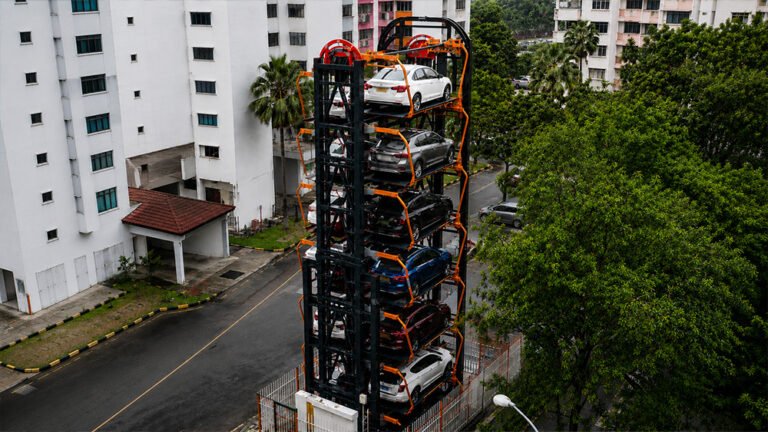
As urbanisation accelerates in Malaysia and vehicle ownership continues to rise, parking has evolved from a daily inconvenience into a critical urban planning challenge. Traditional horizontal expansion methods (such as car porch or car park extensions) are increasingly limited by space constraints, regulations, and rising costs.
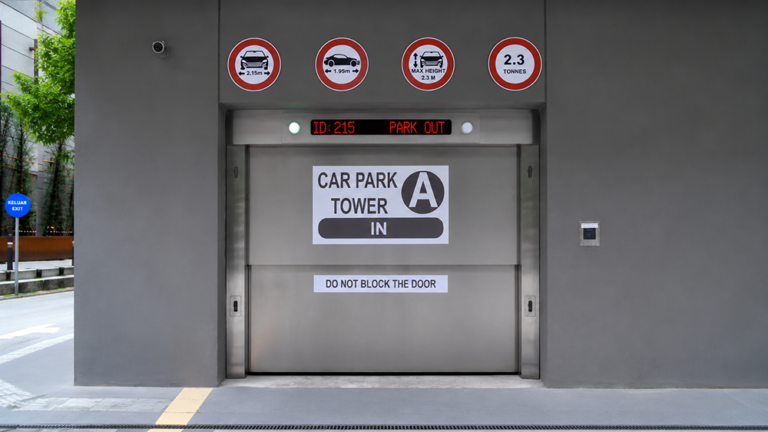
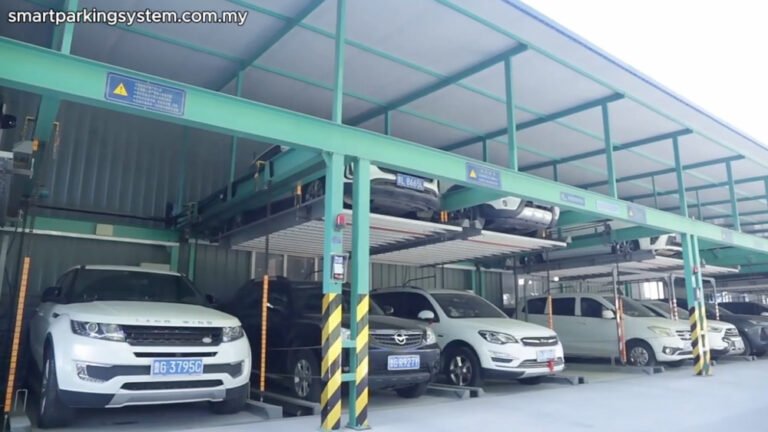
In response, Car Lift / Parking Lift Systems are emerging as a modern solution for efficient space utilisation.
In this article, we explore the 3 key trends shaping Car Lift adoption in Malaysia.
Trend 1: Adoption Begins with Large-Scale Developments
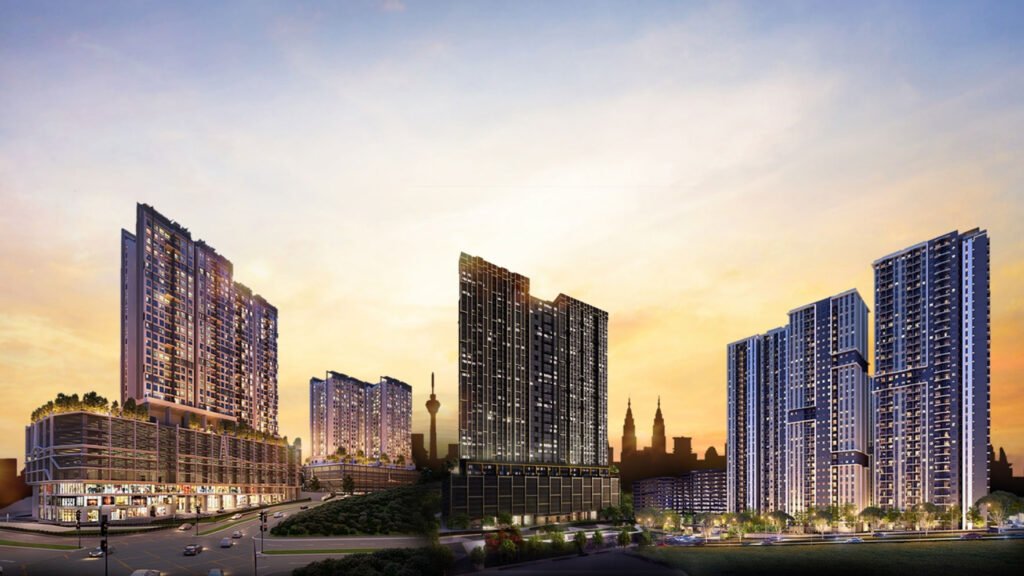
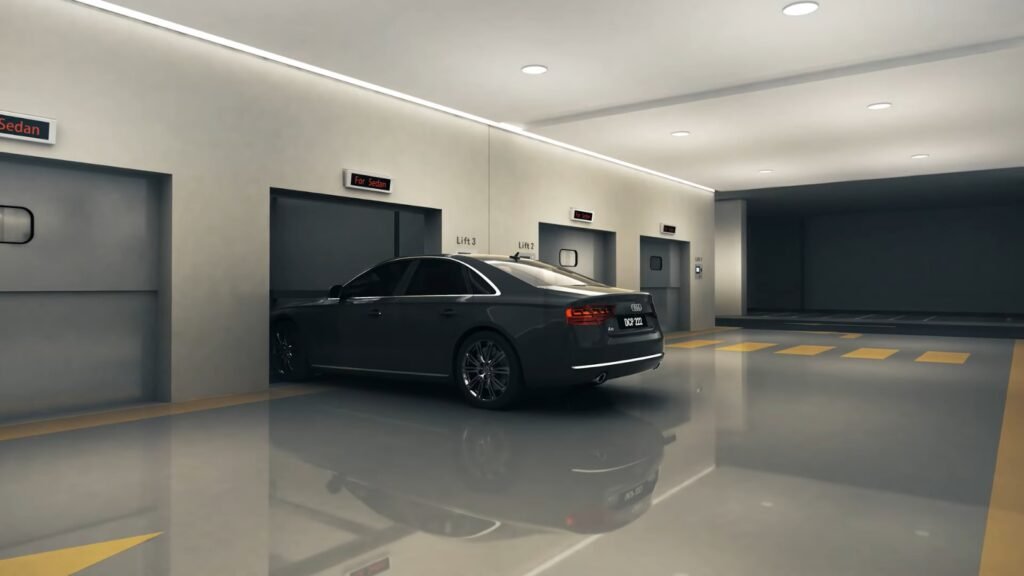
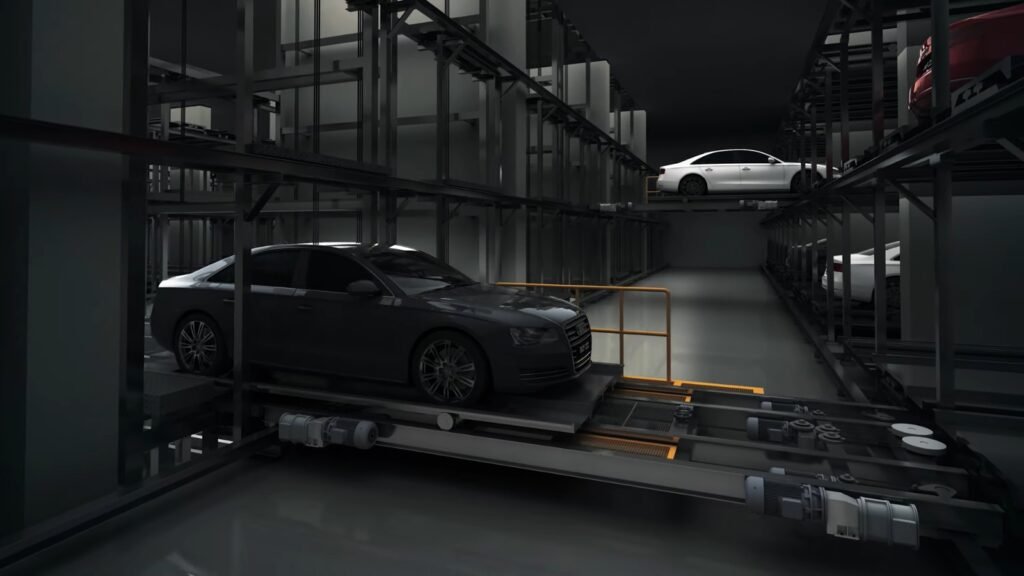
In Malaysia, car lift systems were first introduced not in residential homes, but in large-scale developments led by property developers.
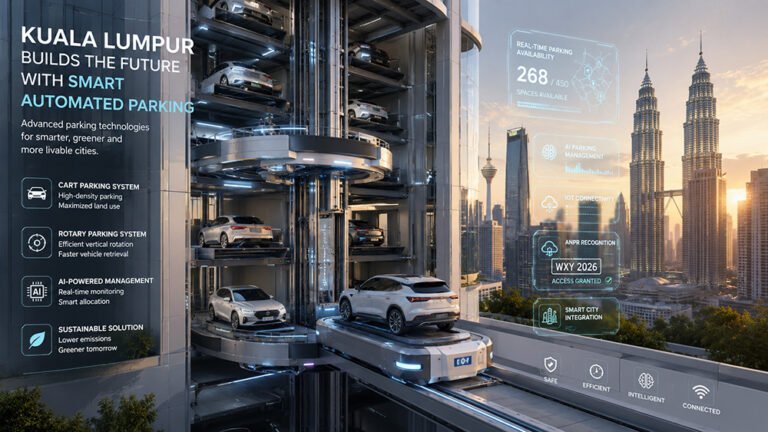
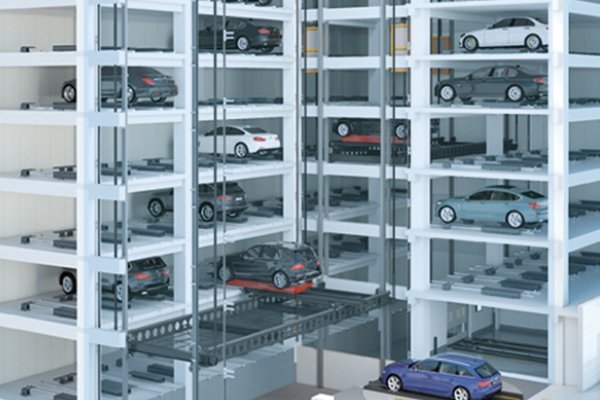
For example, Milla Residence in Kuala Lumpur integrates a large-scale Automated Car Parking System (ACPS), utilising multiple car lifts to manage thousands of parking bays.
Key advantages:
- Maximised land use efficiency
- Reduced parking footprint
- Enhanced property value and technological appeal
📌 Key shift:
Parking is no longer a supporting facility — it has become a core selling point.
Trend 2: Expansion into Mid-Scale Commercial & Residential Projects
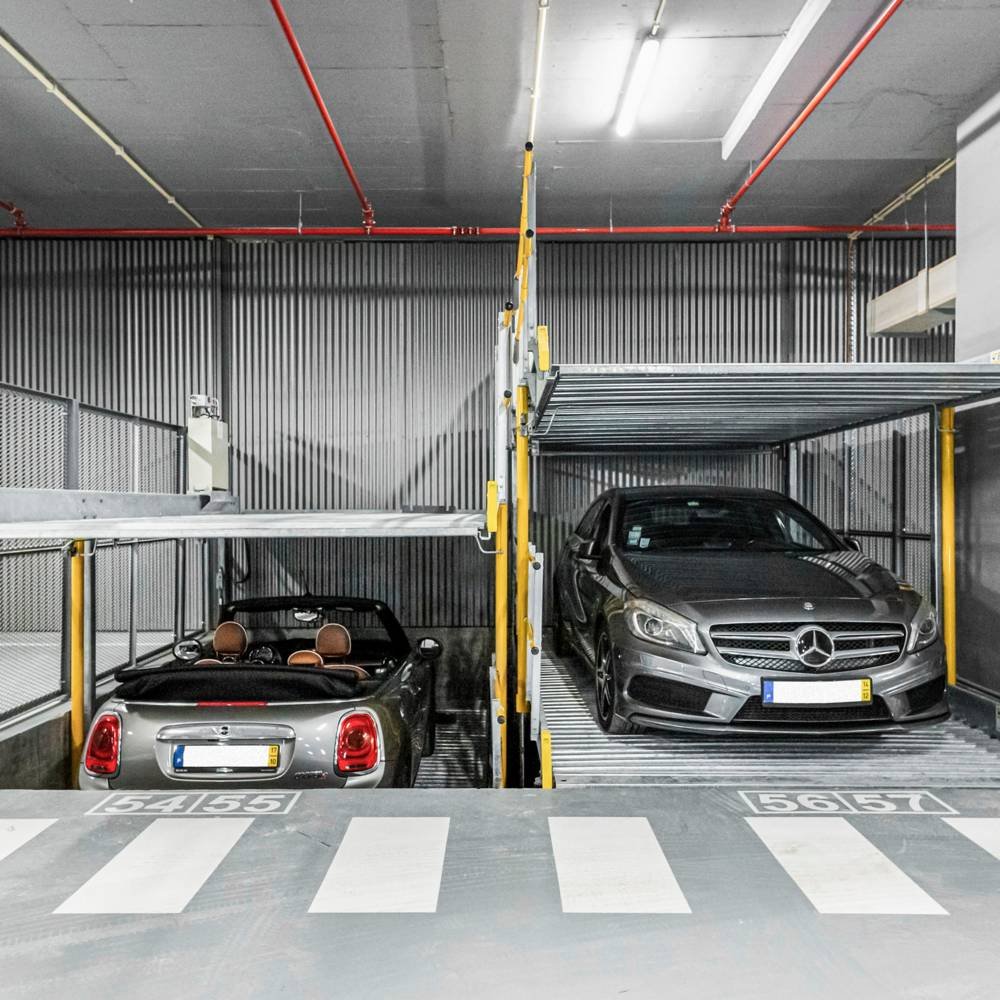
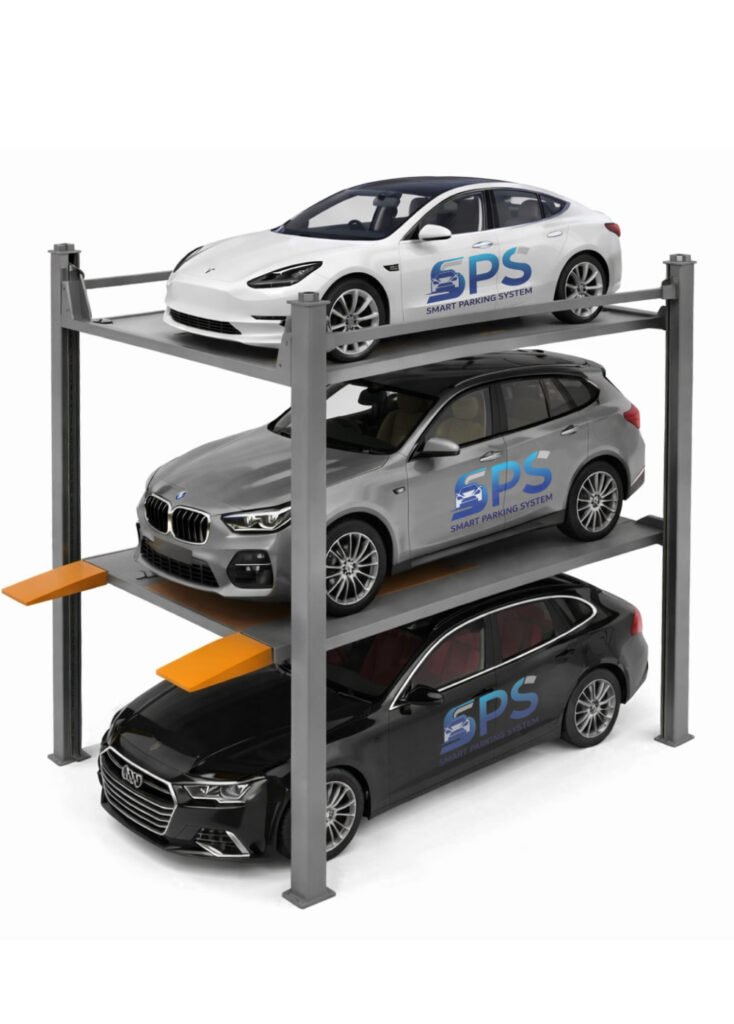
As technology matures and becomes more cost-accessible, car lift systems are now expanding into mid-scale applications, including:
- Shoplots / commercial units
- Small office buildings
- Terrace and semi-detached houses
- Basement parking areas
In high-density areas such as PJ and KL, where space is limited but demand is high, car lifts provide an effective solution to parking shortages.
Typical applications:
- Converting 2 parking spaces into 4 (double stack system)
- Replacing ramps in space-constrained buildings
- Increasing parking capacity to boost commercial footfall
👉 Key trend:
Car lift systems are no longer exclusive to luxury developments — they are becoming practical, scalable solutions.
Trend 3: From Mechanical Systems to Smart Parking Infrastructure
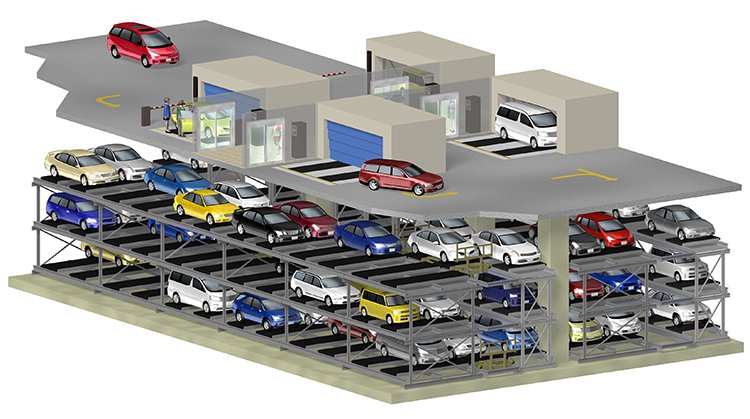
The future of parking extends beyond mechanical lifting. It is rapidly evolving into a fully integrated smart system, combining:
- IoT (Internet of Things)
- Automated control systems
- Smart parking management platforms
- Mobile app / remote access
Enhanced user experience:
- No need to search for parking
- Automated vehicle storage and retrieval
- Real-time monitoring and management
- Improved safety and efficiency
📌 Core transformation:
Parking is shifting from hardware infrastructure to smart digital ecosystems.
Malaysia is Entering the Parking 2.0 Era
From these trends, it is clear that:
👉 Traditional horizontal parking expansion is being redefined
👉 Car Lift systems are emerging as a key future solution
The next generation of parking will be:
- More space-efficient
- More automated
- More intelligent
- Better aligned with urban development needs
THE ROLE OF SPS:
Driving the Future of Smart Parking
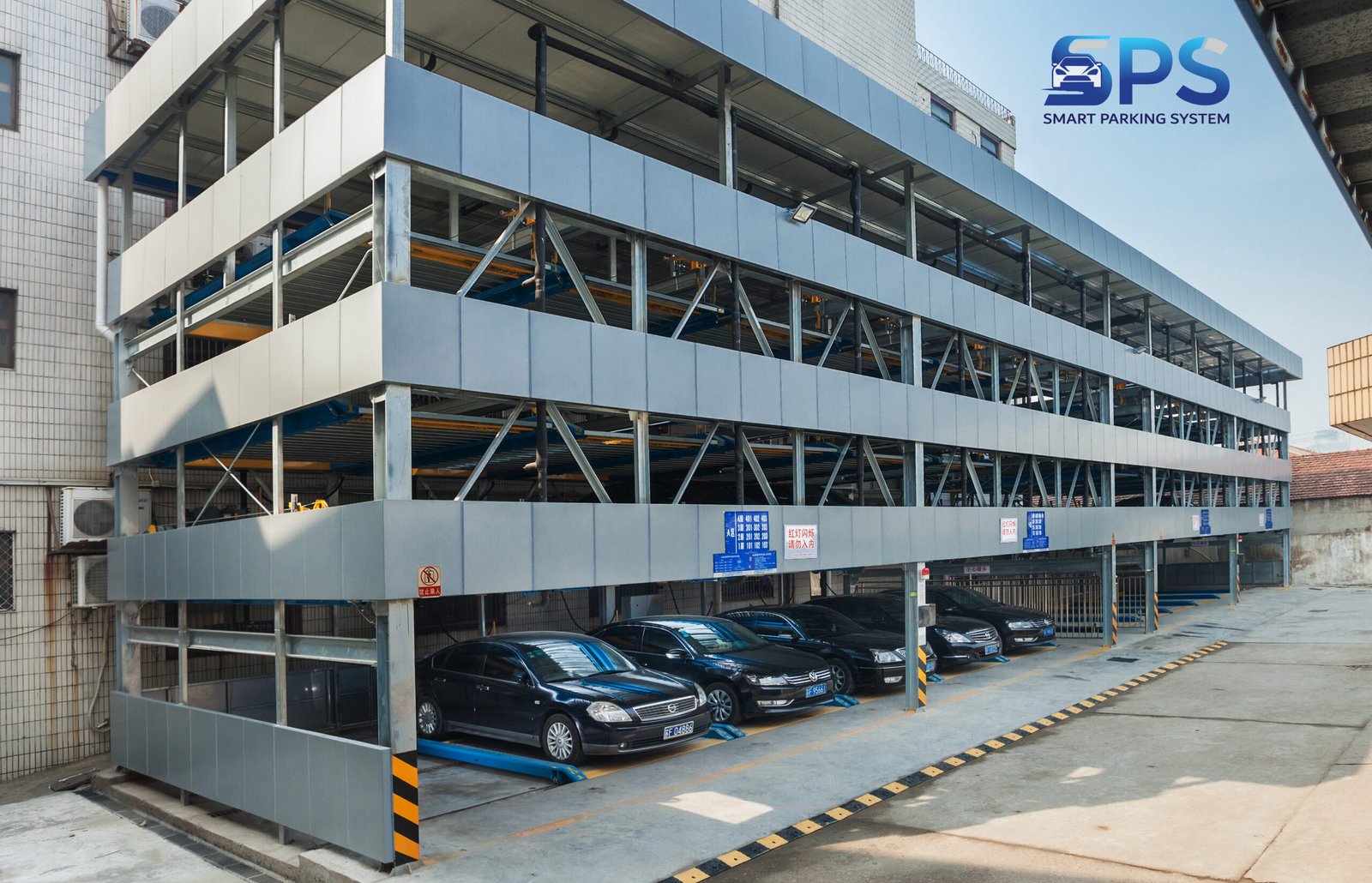
As a leading provider of intelligent parking solutions,
Smart Parking System (SPS) is committed to delivering:
- Car Lift / Mechanical Parking Systems
- Automated Parking Solutions
- Smart Parking Management Systems
We believe the future of cities is not just about building higher —
but about using space smarter.