The other day, I was walking through the city and noticed cars parked in every available space. Drivers were circling around repeatedly, competing for parking spots and hoping someone would leave. It reminded me how parking shortages have become a daily challenge in many residential, commercial, and mixed-development properties.
This situation brought to mind a residential project that was recently completed. The residents were facing exactly the same problem — limited parking spaces, daily frustration, and increasing complaints from homeowners and visitors.
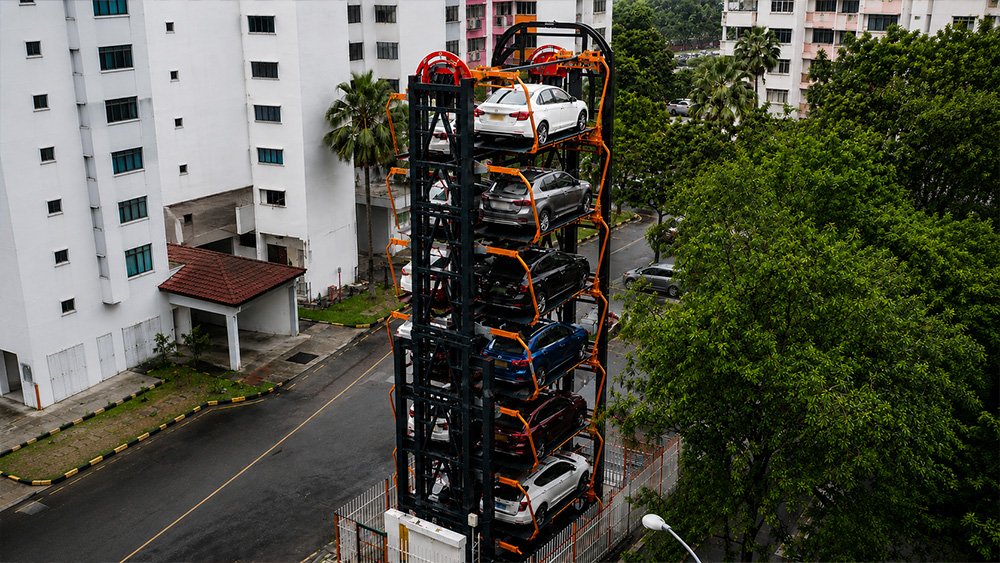
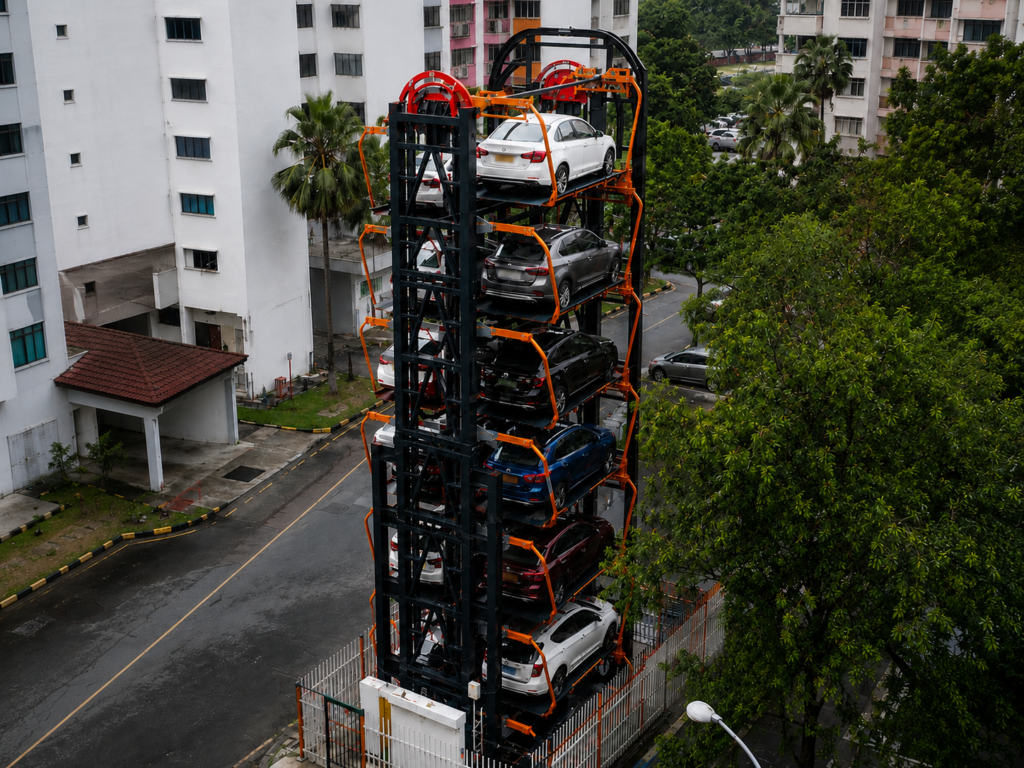
To address the issue, a Rotary Parking System was installed within the property’s existing parking area. Without major construction work or costly building extensions, the development was able to create 12 additional parking spaces by utilizing vertical space more efficiently.
The results were immediate.
Residents finally had sufficient parking, vehicle congestion was reduced, and according to the property management team, parking-related complaints dropped significantly after the system was implemented.
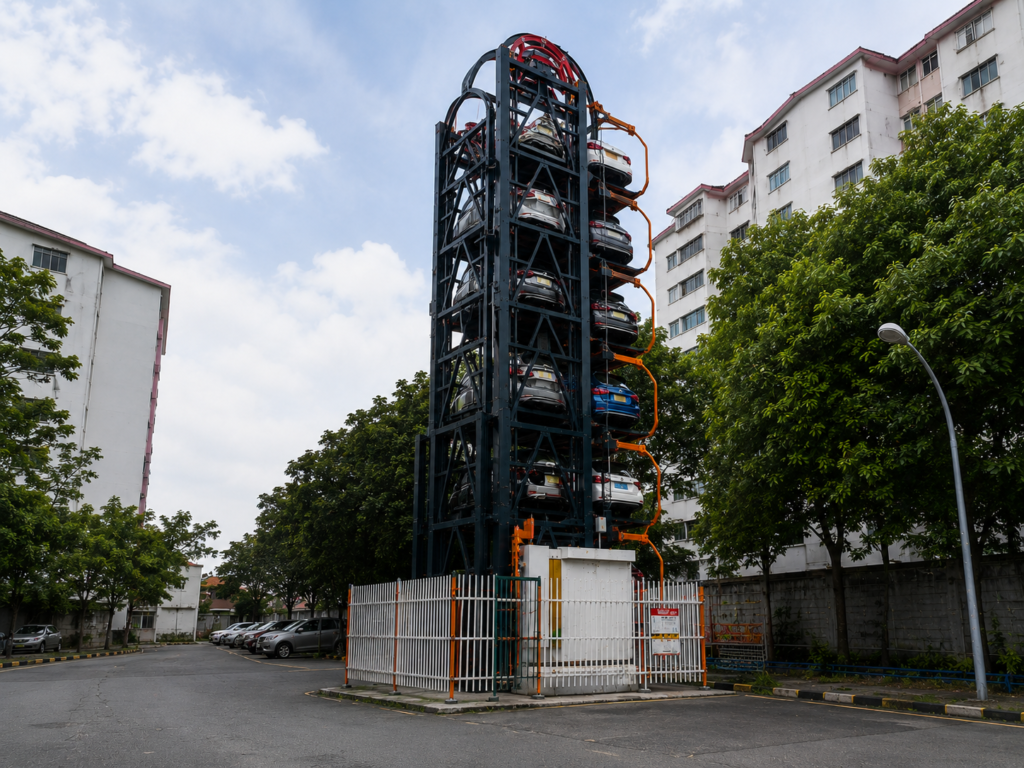
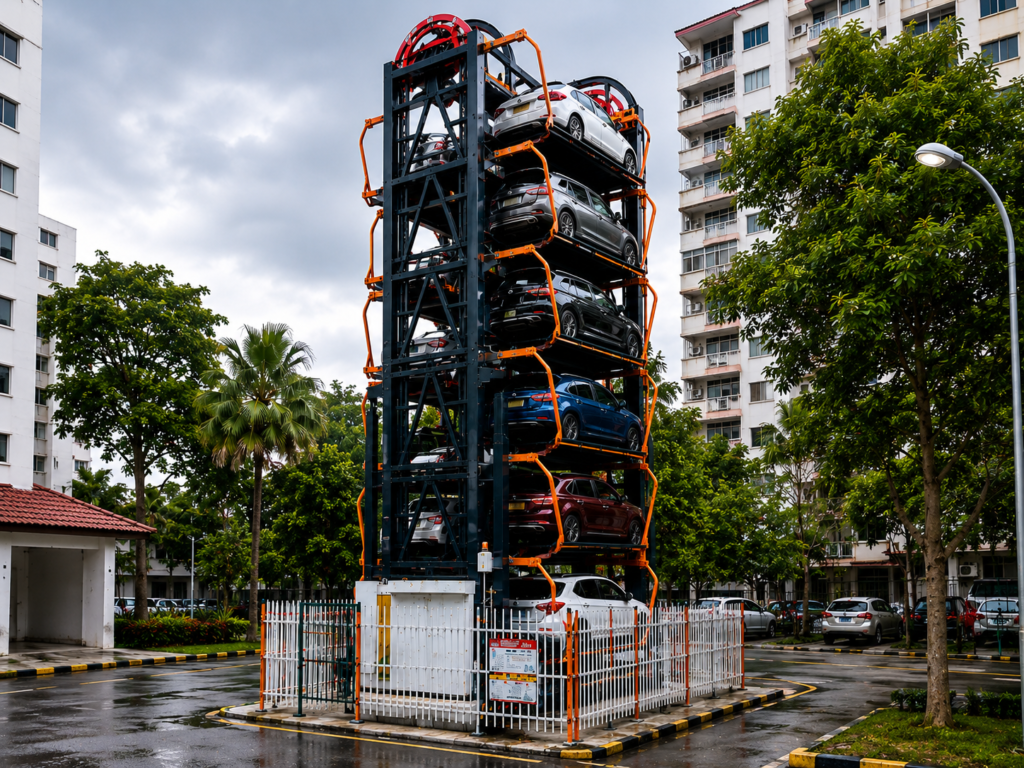
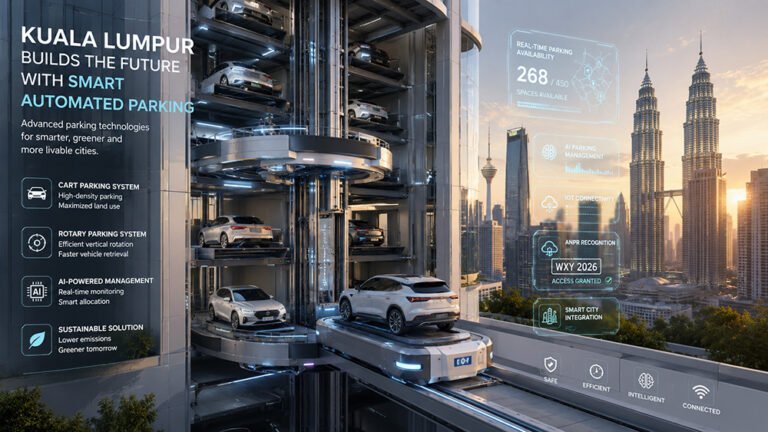
The Rotary Parking System is designed to maximize land utilization while maintaining convenience and safety. It accommodates both sedans and SUVs, making it an ideal solution for residential buildings, condominiums, apartments, commercial developments, offices, factories, and properties with limited parking space.
As land becomes increasingly expensive and urban density continues to grow, automated parking systems are becoming a practical and cost-effective alternative to traditional parking expansion.
It may or may not be relevant to your current plans, but I thought it was worth sharing. If you’re exploring ways to increase parking capacity, improve traffic flow, or optimize existing space, I’d be happy to exchange ideas and discuss potential solutions.